
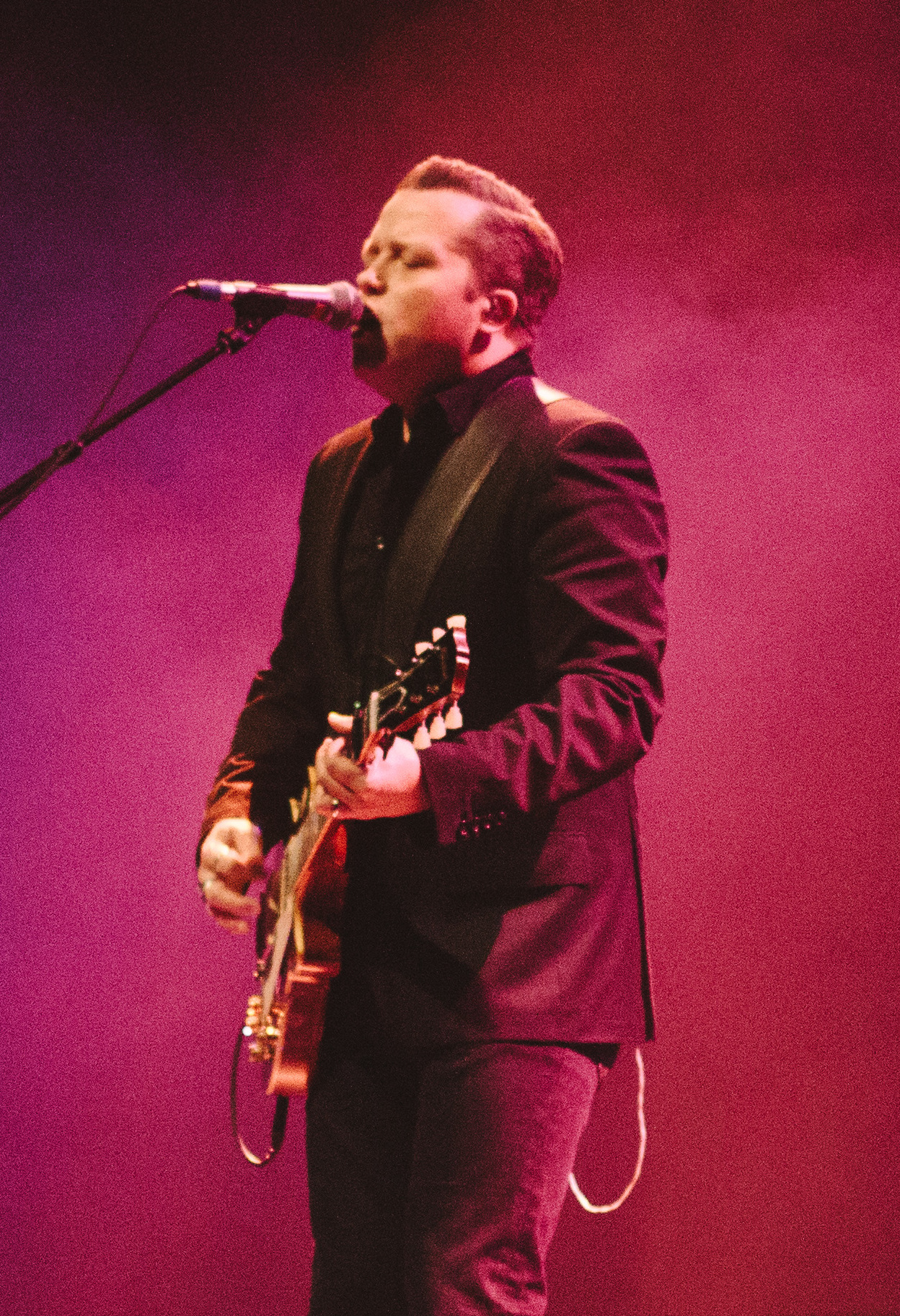
Jason Isbell has filed a class action lawsuit against Suno, alleging the AI music company built a product on musicians' identities without asking them. The complaint was filed on Monday, August 31 in US District Court in Massachusetts and runs 84 pages.
His co-plaintiffs are David Lowery of Camper Van Beethoven and Cracker, Texas blues guitarist and songwriter Guy Forsyth, and Florida saxophonist Eduardo Calle. Together they bring 17 claims that Suno violated state and territorial laws on personal publicity rights. There are no copyright claims in the filing at all, which separates this case from almost every other one Suno is facing.
The framing is deliberately combative, and the plaintiffs' attorney Alan D. Rose reached for Star Trek to make the point. "A musician's identity is their property, but Suno took it without consent," the complaint reads, before describing the suit as the way these musicians resist the premise that resistance is futile.
The substance is a list of prompts and outputs. Entering "Jason Isbell" allegedly produced an Americana song called "Paper Bell," described by the platform as contemporary Americana with fingerpicked acoustic guitar and sung in a voice with a country twang. A "Camper Van Beethoven" prompt returned something the platform described as quirky late-1980s alternative rock with accordion and fiddle flourishes.
The complaint also argues that Suno's own guardrails are easy to walk around. It claims a user can type an artist's name with a space between each letter and get the same result, and that entering "Smooth Criminal" generated a Michael Jackson-style track paired with an image of a white glove. Name responsiveness, the filing argues, is a designed commercial feature rather than a glitch.
Suno rejects it. "We believe these claims are without merit and we intend to defend against them," a spokesperson said, adding that the platform blocks prompts for specific artists' names and copyrighted songs and screens uploaded audio and lyrics with third-party technology.
The plaintiffs are asking the court to certify a class covering musicians who are not named in the suit, to order damages for publicity rights violations and disgorgement of profits, to cover court and attorney fees, and to hear the case before a jury.
Suno is already defending copyright suits from Universal Music Group and Sony Music, while Warner Music settled and is now building a model with the company. Our earlier coverage tracks that split: Round Hill's billion-dollar claims and Warner CEO Robert Kyncl defending the label's Suno deal. Isbell's own year has already been unusual: he cancelled and postponed tour dates without explanation in July. More country news is on the genre hub.
The facts
- The 84-page suit was filed August 31, 2026 in Massachusetts federal court.
- Plaintiffs are Isbell, David Lowery, Guy Forsyth and Eduardo Calle.
- It brings 17 claims under state and territorial publicity rights laws.
- No copyright claims are alleged in the complaint.
- A "Jason Isbell" prompt allegedly produced a song called "Paper Bell".
- Suno says the claims are without merit and it will defend against them.
- The plaintiffs seek class certification, damages and a jury trial.
How this checks out
Confirmed
Reported by 4 independent outlets
Independent outlets reported it separately, enough to treat it as confirmed.
Cited sources 4
Every outlet that reported this, linked to what it published. Equal credits, in alphabetical order.