
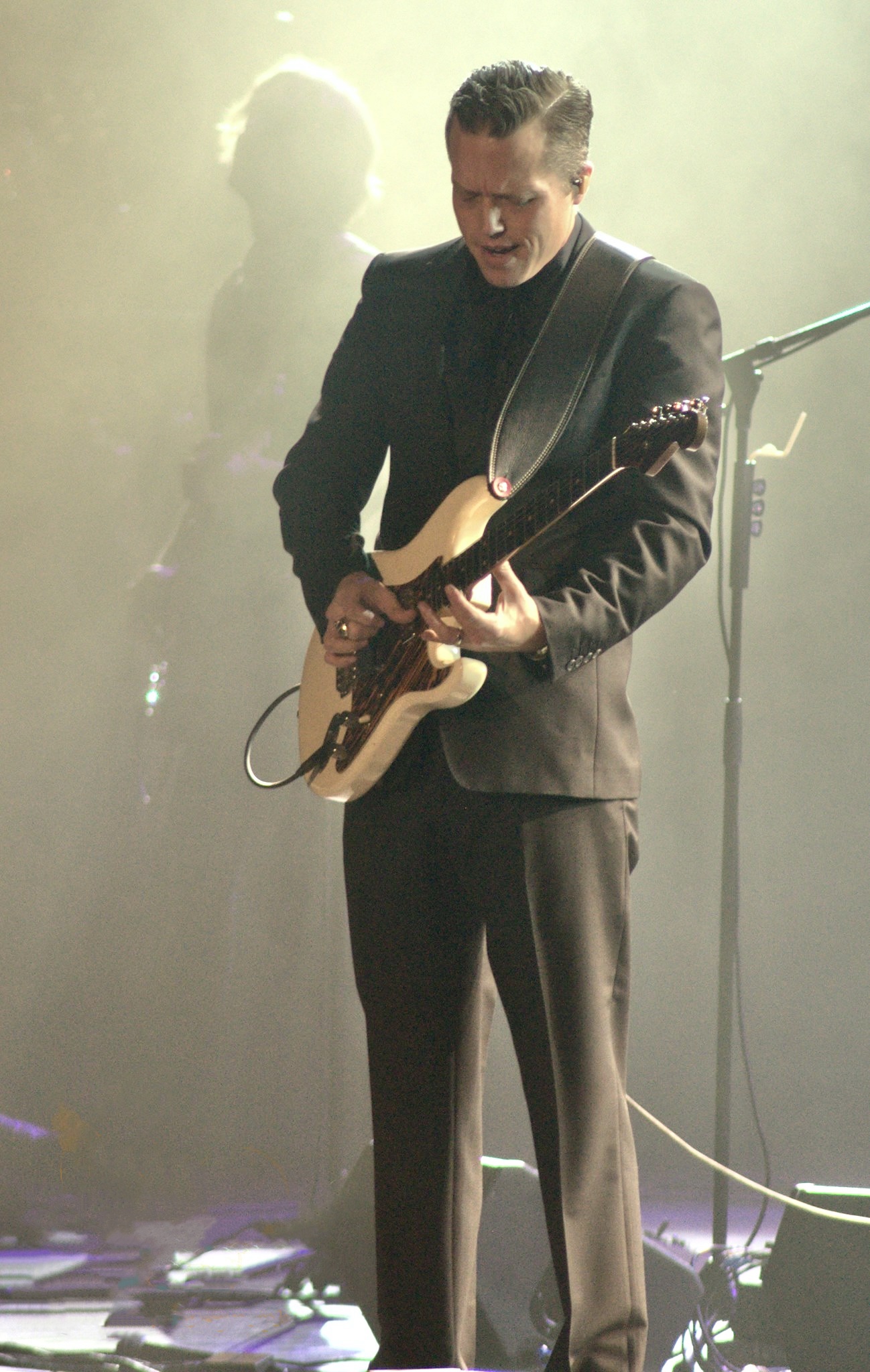
Suno is being sued again, but this one does not look like the others. The class action filed by a group of musicians led by Jason Isbell contains no copyright claims at all. Every count rests on US publicity rights, the state-law protections that give a person control over the commercial use of their name, image, likeness and voice.
Isbell filed in US District Court in Boston alongside Guy Forsyth, Eduardo Calle and Camper Van Beethoven's David Lowery. The complaint argues that Suno trained its model to index musicians by name so it could generate music in the style of existing artists, pairing each name with the vocal and instrumental characteristics that identify them.
"Jason Isbell's musical identity does not cease to be his property merely because sophisticated technology is involved," the suit states. Its central allegation is that Suno encoded those identities into the model without consent and now exploits them for commercial benefit.
The claims are filed under the laws of California, Florida, Georgia, Hawaii, Illinois, Massachusetts, Michigan, New Jersey, New York, Ohio, Pennsylvania, Puerto Rico, Tennessee, Texas and Washington. The plaintiffs are seeking unspecified damages.
That legal theory matters beyond this case. The label suits against Suno turn on copyright, and Suno's answer to them is that AI training is fair use. Publicity rights are a different question with a different owner: musicians often do not hold the copyright in their own recordings, but the identity right belongs to the performer. If the argument lands, the AI licensing deals labels have signed would not by themselves cover the use of an artist's name and identifying traits, and explicit artist consent would be needed on top.
Suno disputes the premise. "We believe these claims are without merit and we intend to defend against them," a spokesperson said, pointing to filters that block prompts naming specific artists or copyrighted songs. The complaint answers that the filter "is easily defeated by inserting a space between each letter of a name," and claims the platform suggests similar styles when a name is stripped out, which it argues proves the name was recognised in the first place.
The company is already defending copyright cases from Sony Music and Universal Music Group, and it has signed licensing deals on the other side of the fight: BMG signed a global deal with Suno in August, and Jamendo dropped its infringement case the same month. More country coverage is on the genre hub.
The facts
- The suit was filed in US District Court in Boston.
- Plaintiffs are Jason Isbell, Guy Forsyth, Eduardo Calle and David Lowery.
- Every claim rests on US publicity rights rather than copyright.
- Laws in 15 states and territories are cited.
- The plaintiffs are seeking unspecified damages.
- Suno says the claims are without merit.
- The complaint says the artist-name filter is defeated by spacing letters.
How this checks out
Developing
Reported by 2 independent outlets
A few outlets have it so far, short of the bar we set for confirmed.
Cited sources 2
Every outlet that reported this, linked to what it published. Equal credits, in alphabetical order.