
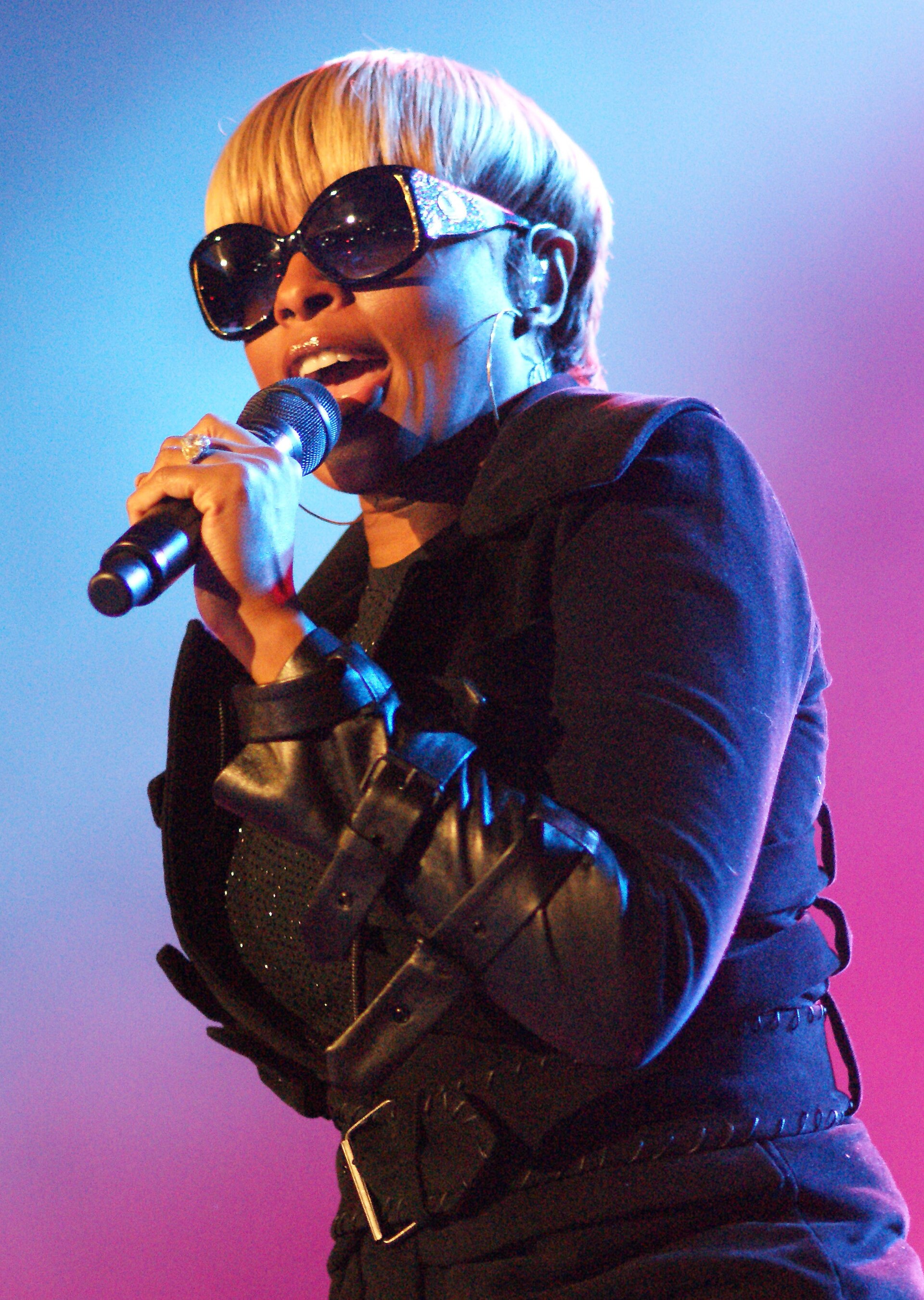
Mary J. Blige has put her name behind Suno, starring in a new advertisement for the AI music generator in which she watches the platform turn written prompts into a finished record and then directs producers to reshape it around her. For a company still arguing about consent, credit and payment, a bridge into R&B carried by the Queen of Hip-Hop Soul is worth a great deal.
Blige's own line in the spot is enthusiastic rather than cautious. She calls the service a game changer and imagines writing the words and having them delivered any way she wanted. A separate clip catches her reacting to a playback with unguarded approval, and AllHipHop reported the arrangement as a multimillion dollar deal.
She is not alone on that side. Dr. Dre has said he uses the technology to test what might happen to music he has already made. "I think the only people that see it as a threat are the people who have trouble creating," he said. Jimmy Iovine, interviewed alongside him, went further, saying he sees no downside in AI music creation and that plenty of bad music already exists without it.
SZA landed on the opposite position after running a database checker and finding 238 of her songs inside datasets assembled for AI music research. "Jus checked and music AI has trained off 238 of my songs. I'm certain some unreleased," she wrote, and followed it with a blunt condemnation of any musician who supports the practice. The database finding did not establish that Suno used every listed track, though much of her anger was aimed at the company.
The industry argument sharpened again when Timbaland launched Stage Zero, an AI entertainment company built around a synthetic performer called TaTa that was created with Suno. He has insisted TaTa is an autonomous artist rather than an avatar or a character, and denied training the system on other artists' music.
Australia has now drawn the first hard regulatory line. ARIA barred wholly AI-generated tracks from its charts, requiring that humans wrote the song and performed the lead vocal and the primary instruments, with the rules taking effect on Aug. 31 and fully AI-generated recordings also made ineligible for the ARIA Awards. It arrives as major labels float their own chart rules for AI music, and as Suno keeps working both sides of the fight, signing a global licensing deal with BMG while losing a German copyright case to GEMA. The pressure lands hardest on rnb-soul and hip-hop, the genres whose catalogues these systems were trained on first.
The facts
- Mary J. Blige stars in a Suno advertisement for the company's song generation feature.
- AllHipHop reported the arrangement as a multimillion dollar promotional deal.
- SZA said a database checker found 238 of her songs in AI training datasets.
- Dr. Dre and Jimmy Iovine both defended AI tools in a joint interview.
- Timbaland's Stage Zero built a synthetic performer called TaTa using Suno.
- ARIA barred wholly AI-generated tracks from its charts and awards from Aug. 31.
How this checks out
Single source
Reported by a single outlet
Only one outlet has reported it so far, so it stays a single source.
Cited sources 1
Every outlet that reported this, linked to what it published. Equal credits, in alphabetical order.